| The Closed Circuit: Why the Film Industry Is Terrified of True Auteur Cinema
Discussions about cinema often stop at what is visible on the screen—the aesthetics, the performances, or the directorial vision.
Queer Film Hub
News from the world of queer cinema

By QueerFilmHub Editorial Board
Read story →Discussions about cinema often stop at what is visible on the screen—the aesthetics, the performances, or the directorial vision.
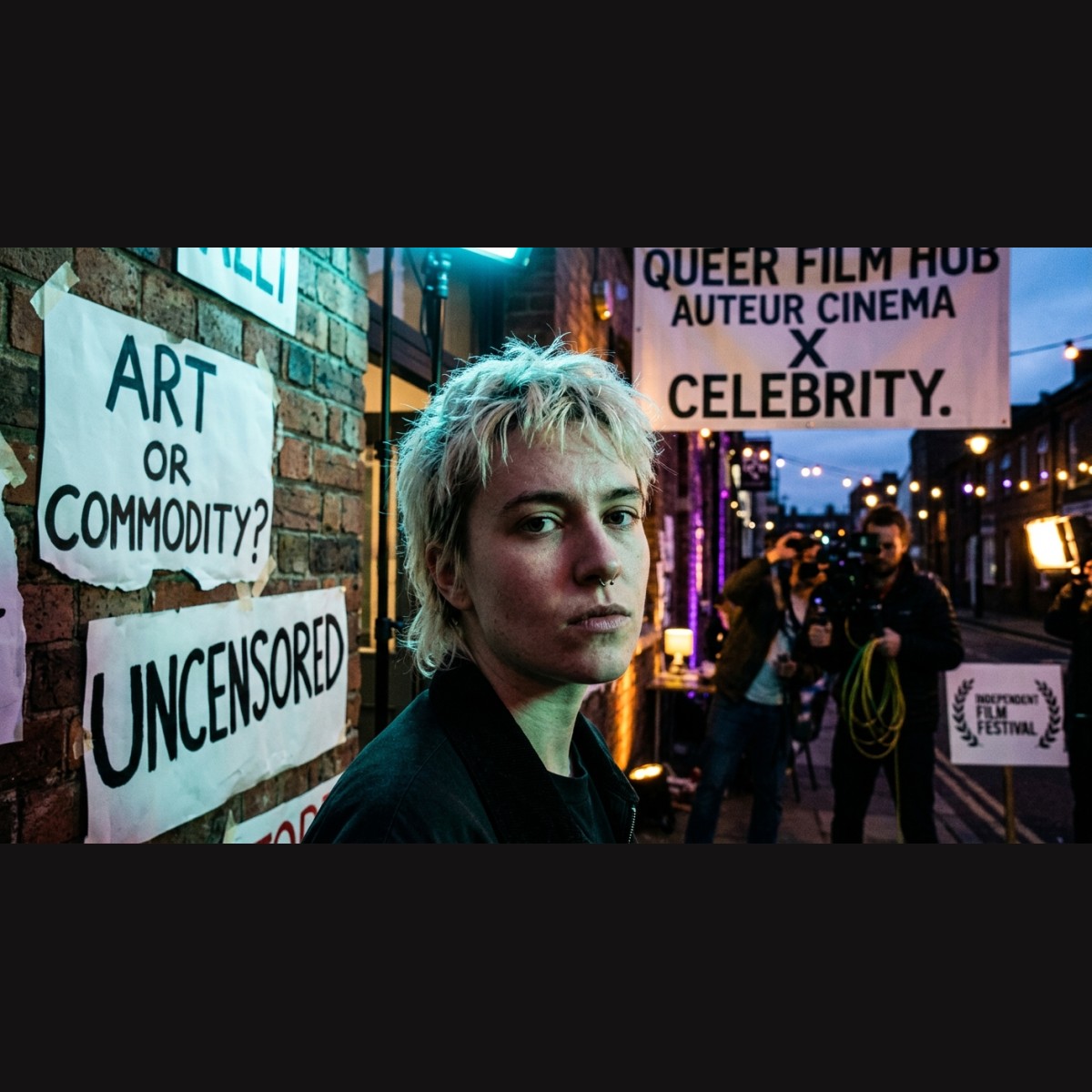
We live in an era where artistic depth has been systematically replaced by Instagram follower counts, and creative authenticity is measured by calculated soundbites on the red carpet. The modern film industry is no longer searching for distinct artistic voices, uncompromising directors, or actors willing to take genuine risks. Instead, it manufactures commodities: polished, risk-averse, corporate-approved entities designed to appease investors and dominate social media algorithms
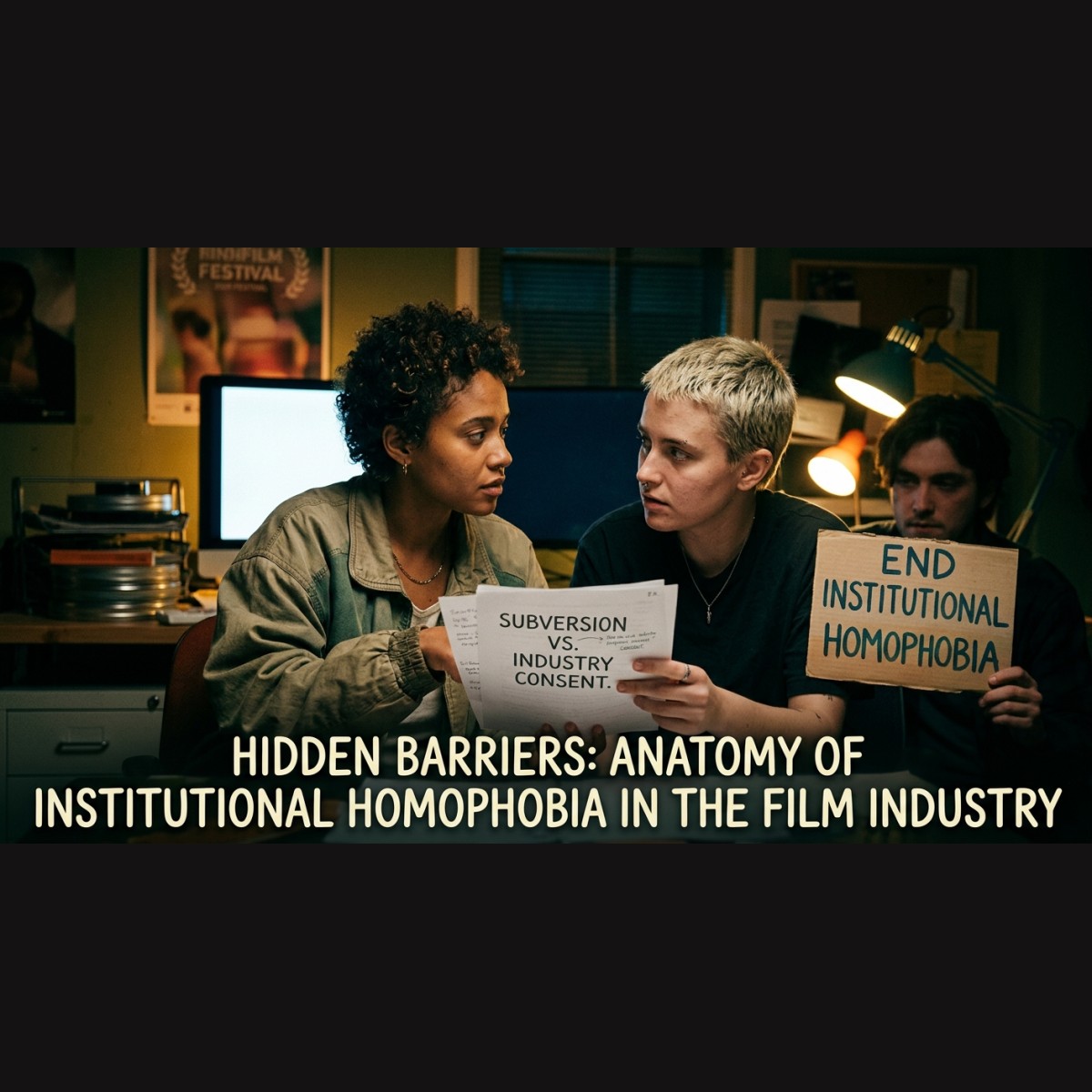
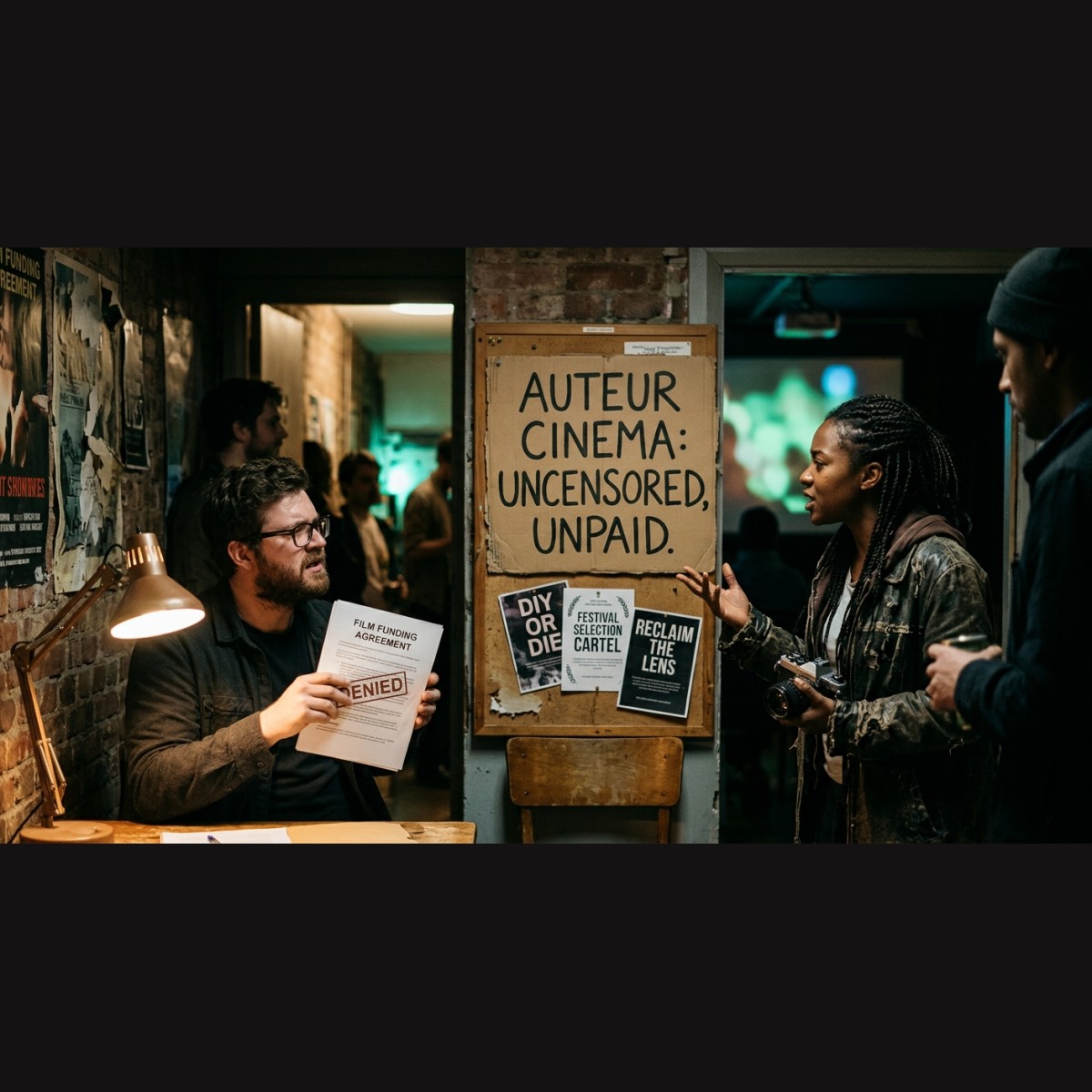
The discourse on homophobia in the film industry must extend beyond individual prejudices. It is an exploration of power: who funds stories, who distributes them, and whose bodies and identities are considered a "financial risk." At QueerFilmHub, we expose how these structures facilitate institutional exclusion.
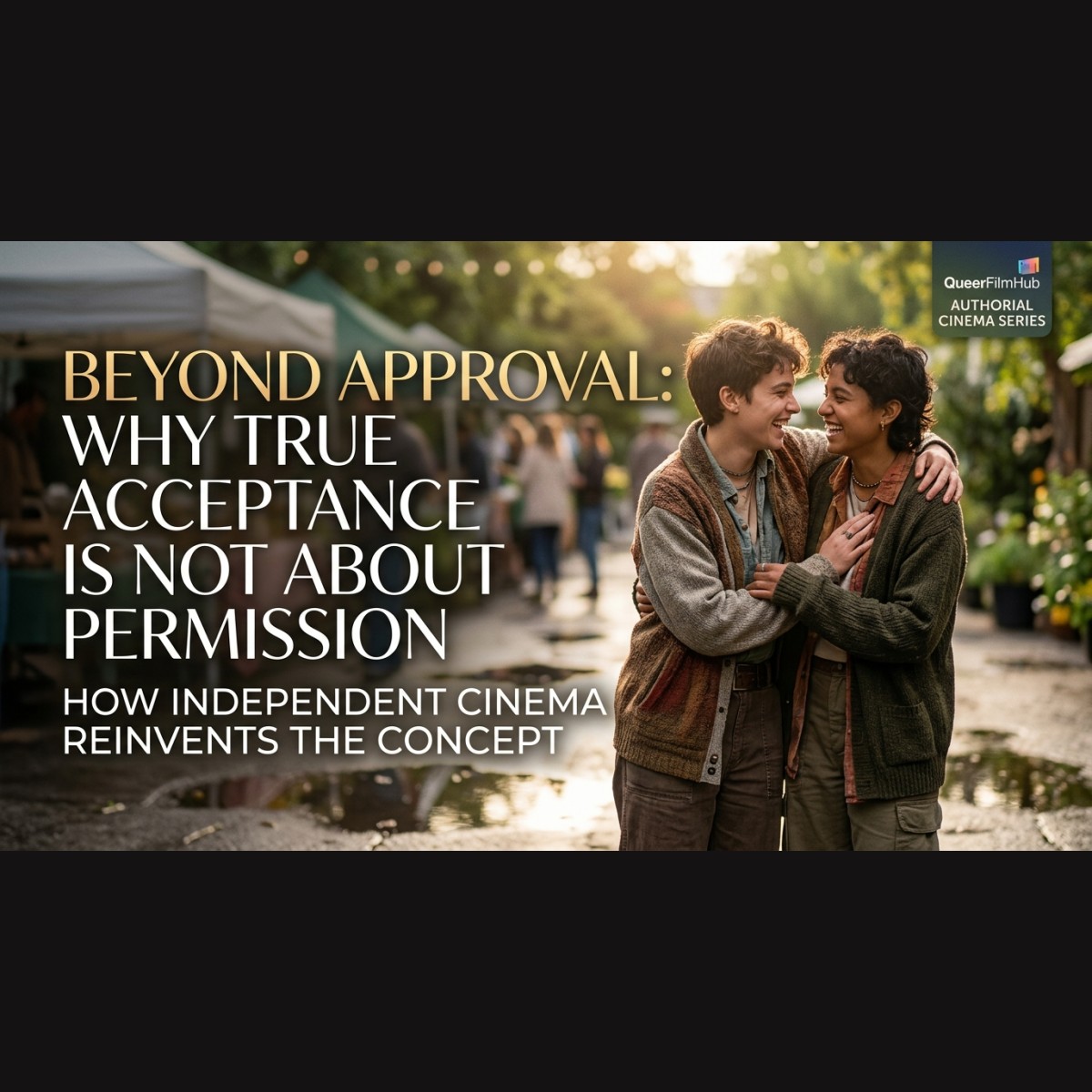
Mainstream media has sanitized the concept of "acceptance." In conventional Hollywood narratives, acceptance is framed as a prize granted by a benevolent majority to a queer character who has proven themselves sufficiently harmless, agreeable, and polite. To earn this conditional approval, protagonists are expected to perform respectability, smooth over their rough edges, and assimilate into existing social structures.
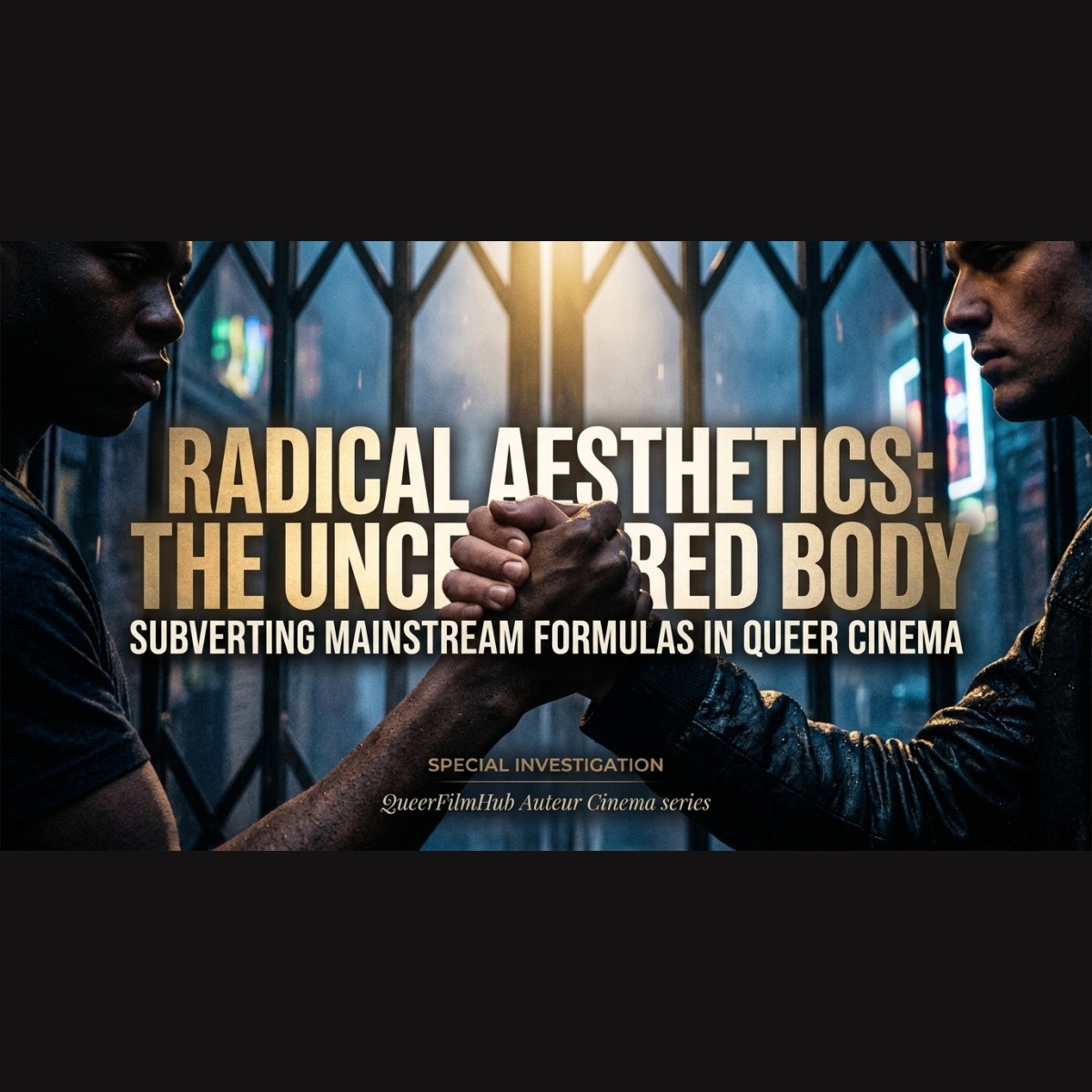
In the era of corporate pinkwashing, mainstream media has turned the word "queer" into a broad, highly marketable, and completely sanitized aesthetic. Hollywood offers us polite,
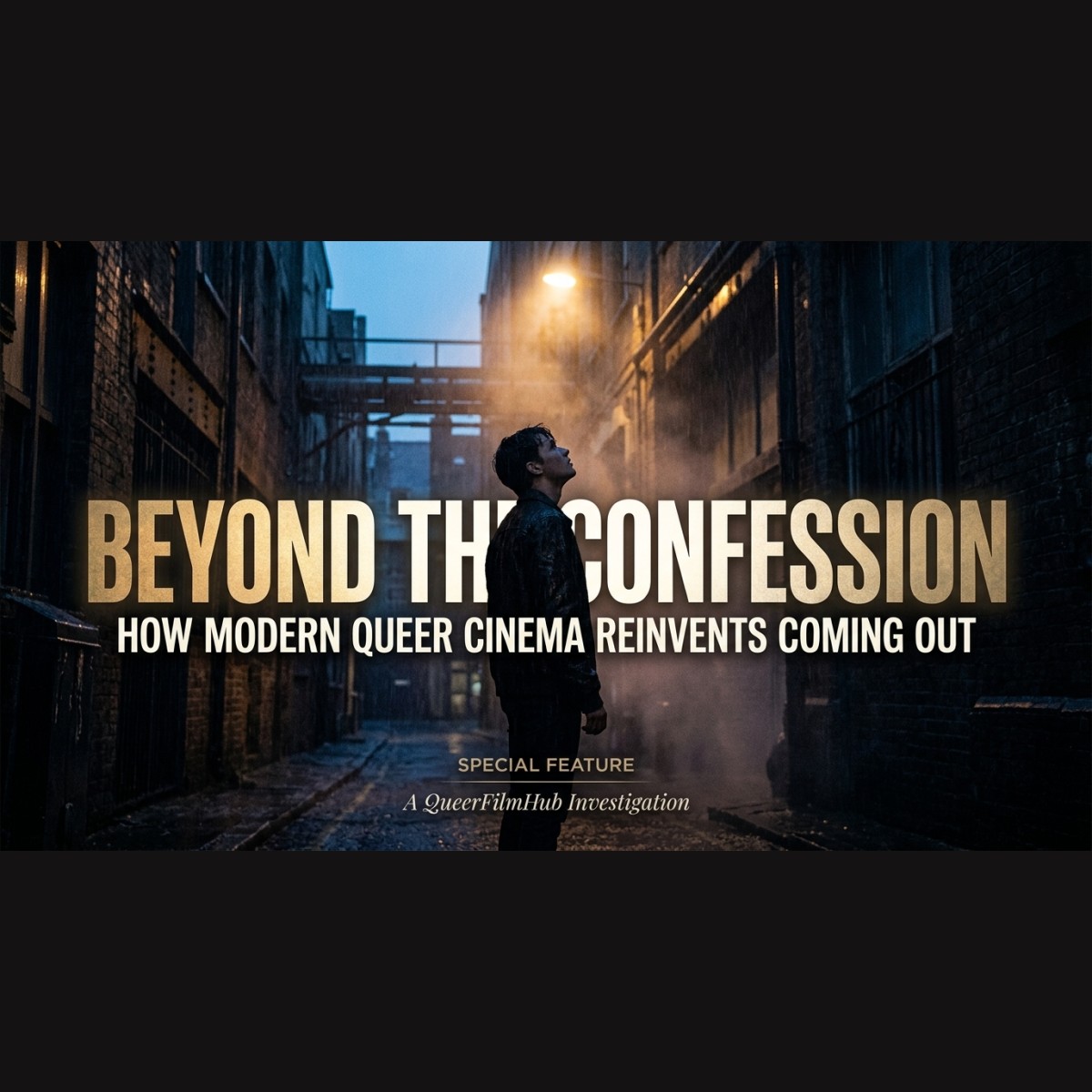
For decades, mainstream Hollywood bound the queer coming-of-age experience to a rigid, highly sanitized template. The "coming out" scene was designed not for the protagonist, but for a heterosexual audience’s emotional comfort. It required tears, fear of rejection, a dramatic confession, and—ultimately—a plea for tolerance. In this corporate formula, coming out was treated as a painful tax paid to enter polite society.
A critical breakdown of the "coming of age" archetype in modern cinema—exploring stories of youth, initiation, sexual discovery, and the clash between personal identity and societal expectations. We move past sanitized mainstream tropes to analyze how independent filmmakers approach the raw, complex, and uninhibited realities of growing up queer.
We are living in an era of a grand, glittering lie. On the red carpets of Cannes, Los Angeles, and Venice, camera flashes pop, and movie studio executives compete to deliver grand speeches about freedom of speech, inclusivity, and human rights.
When a few years ago Hollywood, struggling with actor and writer strikes, timidly began experimenting with artificial intelligence, many deluded themselves into thinking that independent and auteur cinema would remain a safe haven.