To understand the scope of this systemic problem, we must analyze historical and contemporary case studies where the machinery of the film industry has worked to sanitize, silence, or sanitize queer voices.
Case Study 1: The Code (The Hays Code, 1934–1968)Mechanism: State-Sanctioned Institutional Censorship
For over three decades, the Motion Picture Production Code (Hays Code) legally enforced homophobia in American cinema. It explicitly prohibited the depiction of "any inference of sex perversion," a term that encompassed all LGBTQ+ existence. This was not the work of individual prejudiced directors; it was a systemic ban enforced by the major studios' collective agreement to prevent moral decay (and secure profits).
The Impact: Generations of stories were forced into erasure or subtext. A prime example is the 1961 film The Children’s Hour (dir. William Wyler), starring Audrey Hepburn and Shirley MacLaine. Based on a play about a lesbian rumor, the film’s publicity material sanitized the entire premise. The core dynamic was rendered ambiguous, and the tragedy of self-hatred was maximized to conform to the "moral punishment" requirement of the Code. The machinery of the industry didn't just censor the film; it dictated how it could be consumed, marketed, and ultimately, perceived.
Case Study 2: The Blockbuster Trade-Off (The 2000s–Present)Mechanism: Economic Homophobia and the "Straightwashing" of Budgets
Institutional homophobia often cloaks itself as "market rationality." Large-budget studio films, heavily reliant on massive foreign markets with state-sanctioned LGBTQ+ oppression, operate under a coded economic censorship. The logic is simple: "To maximize return, we cannot afford to offend large territories." This leads to the erasure or sanitization of queer characters in major franchises.
The Impact: Despite a large ensemble of characters, massive blockbusters rarely include significant LGBTQ+ narratives, especially those where the sexuality is inextricable from the plot. A notorious example is the controversy surrounding the 2017 film Power Rangers (dir. Dean Israelite). The film was touted as featuring the first openly gay superhero (Yellow Ranger Trini), but the realization in the final cut was restricted to a brief, ambiguous dialogue that could be interpreted differently—a phenomenon known as "queerbaiting" or "palatable representation." This economic calculation by the studio prioritized international market access over authentic representation, illustrating how financial gatekeepers enforce homophobia.
Case Study 3: The Authentic Voice Battle (The 2010s–Present)Mechanism: Institutional Tokenism and Exploitation vs. Self-Sovereignty
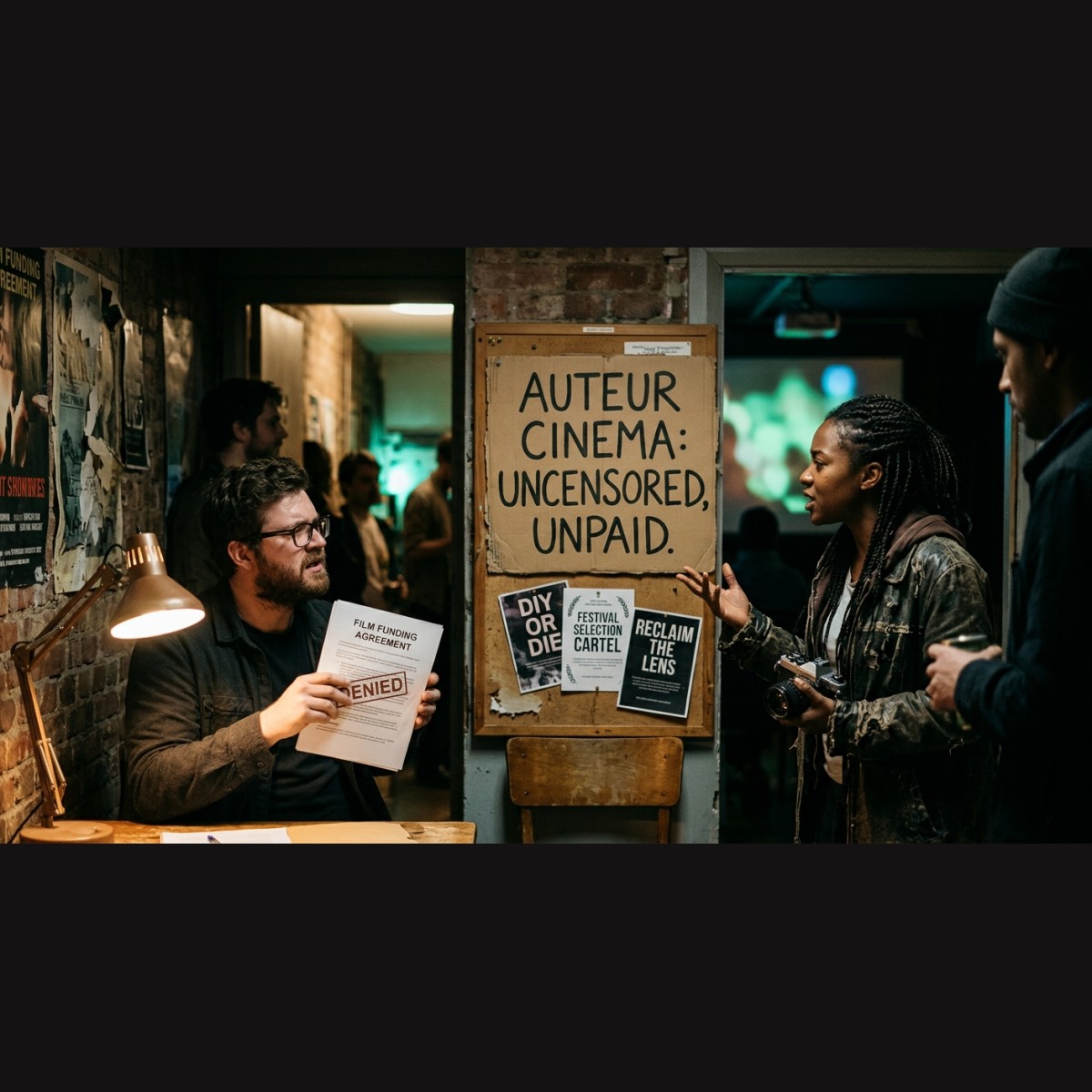
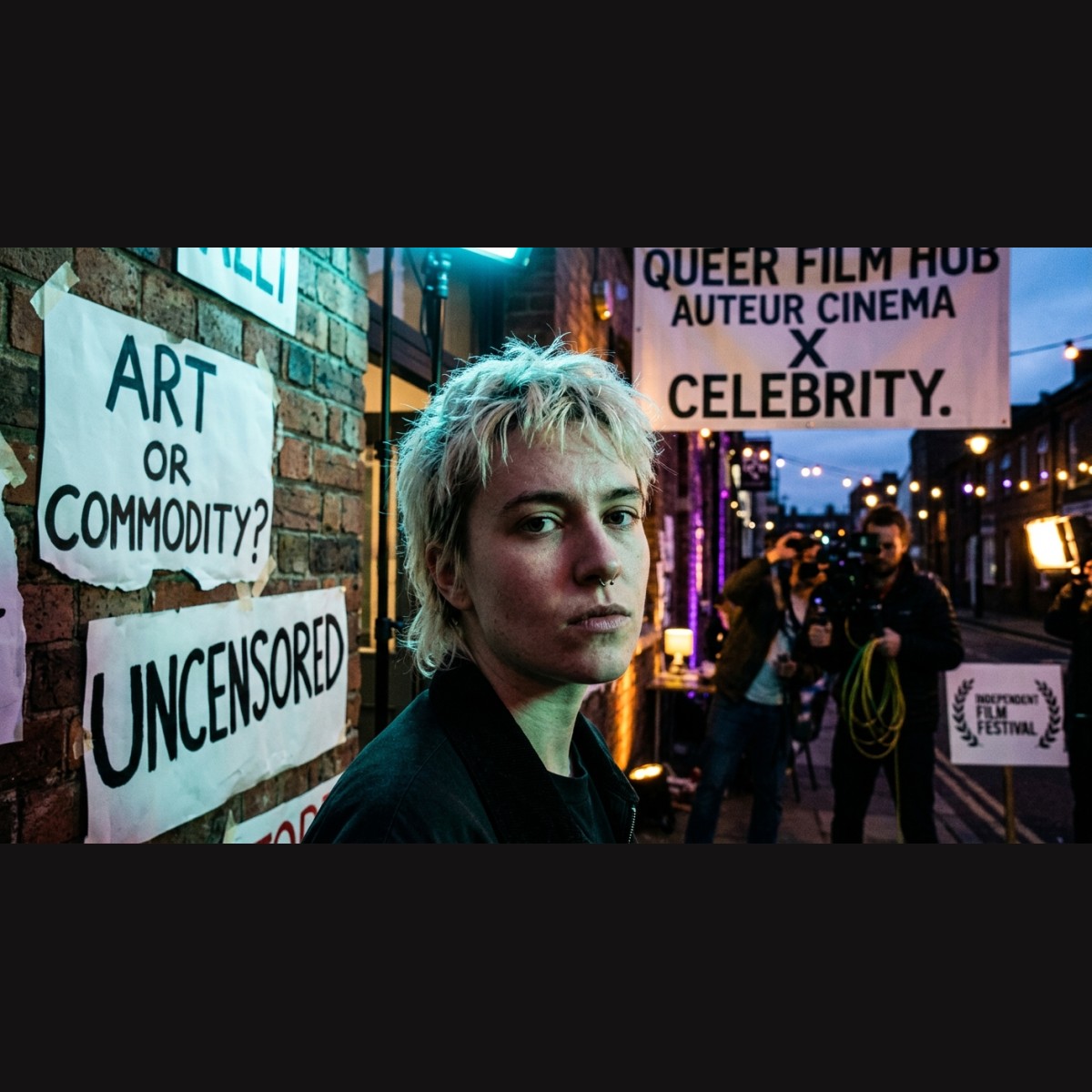
In independent cinema, institutional homophobia operates through subtler forms of gatekeeping and the commodification of queer pain. The industry often rewards films that focus exclusively on LGBTQ+ suffering, particularly when directed by heterosexual auteurs. Meanwhile, films by queer filmmakers that present joyful, banal, or complex narratives struggle for equivalent funding, as they don't fit the "tragic and marketable" mold.
The Impact: This dynamic fosters an environment of tokenism. At QueerFilmHub, we will analyze festivals that program one high-profile queer film to fulfill a diversity requirement, while ignoring the systemic funding barriers faced by emerging LGBTQ+ artists in their local regions. True change requires not just "representation" in front of the camera, but a dismantling of the power dynamics that allow powerful institutions to dictate which queer stories are considered valuable or worthy of production. The struggle of queer filmmakers to maintain creative control, such as Travis Alabanza or Tori Tsui when negotiating complex queer narratives with larger production companies, illustrates this tension.
Industry
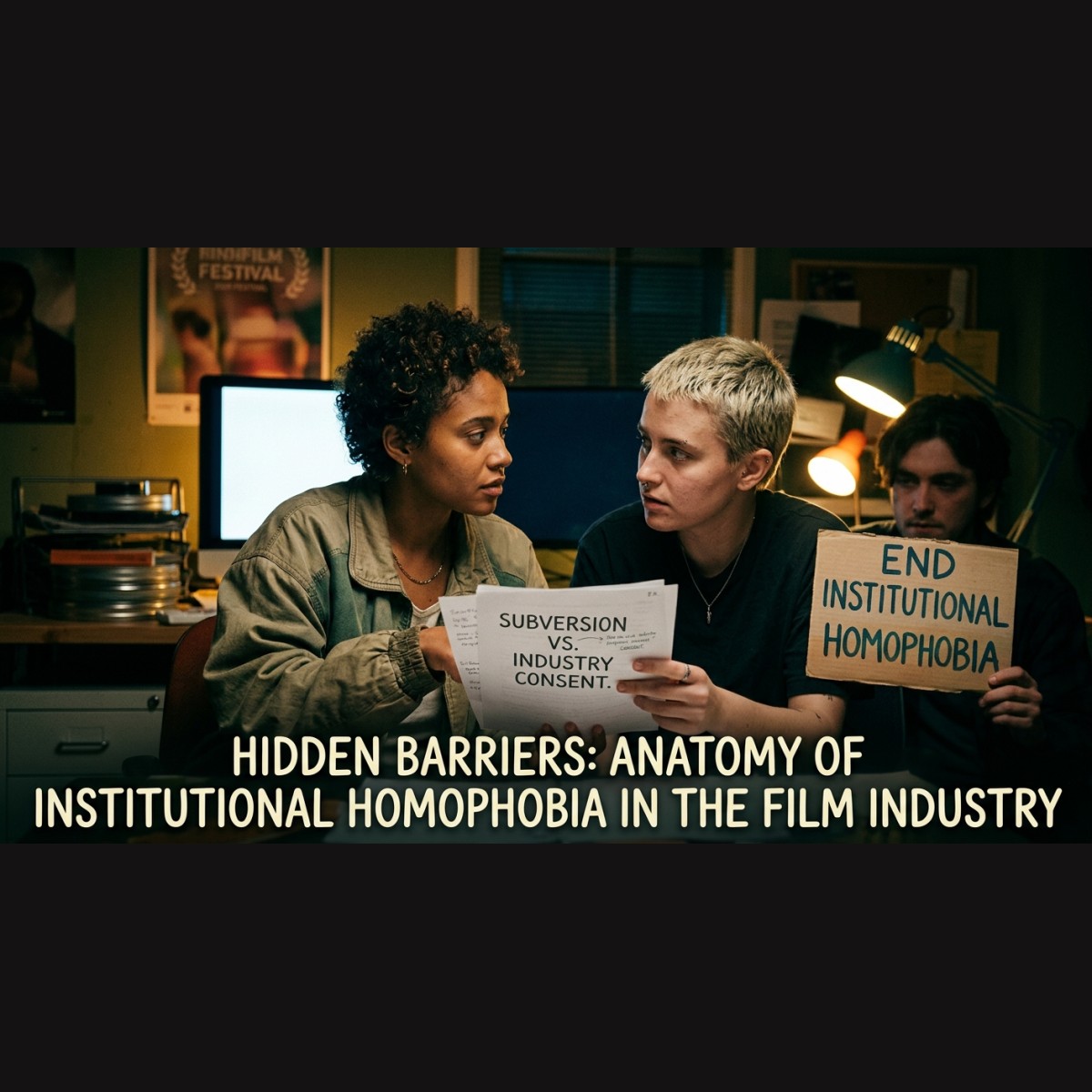
Hidden Barriers: The Anatomy of Institutional Homophobia in Cinema (with Case Studies)
The discourse on homophobia in the film industry must extend beyond individual prejudices. It is an exploration of power: who funds stories, who distributes them, and whose bodies and identities are considered a "financial risk." At QueerFilmHub, we expose how these structures facilitate institutional exclusion.