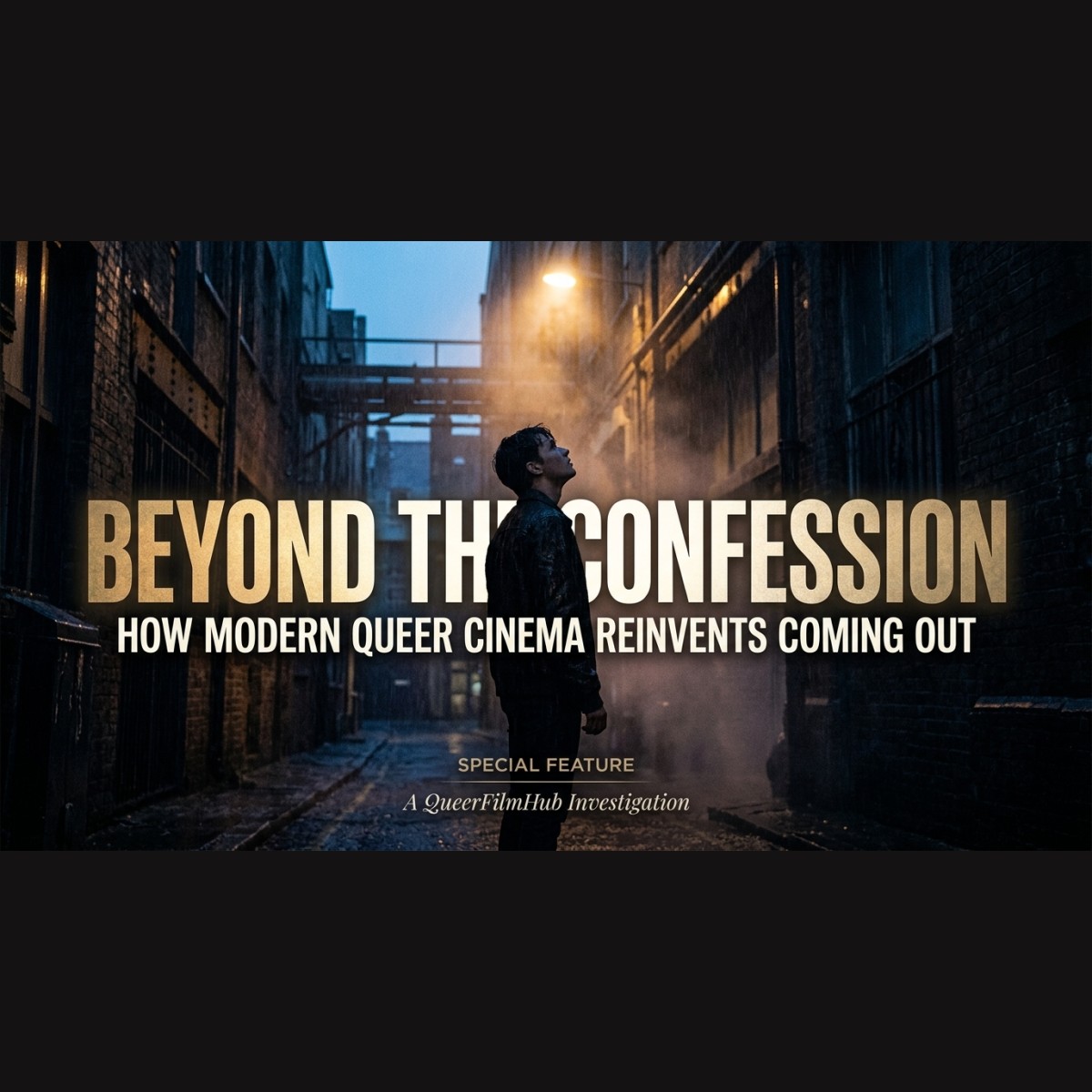
For decades, mainstream Hollywood bound the queer coming-of-age experience to a rigid, highly sanitized template. The "coming out" scene was designed not for the protagonist, but for a heterosexual audience’s emotional comfort. It required tears, fear of rejection, a dramatic confession, and—ultimately—a plea for tolerance. In this corporate formula, coming out was treated as a painful tax paid to enter polite society.
Modern independent and auteur cinema is burning that template to the ground. Today’s filmmakers no longer treat the revelation of identity as a confession of guilt or an appeal for validation. Instead, coming out on screen has evolved into a radical act of self-determination, a weapon against institutional hypocrisy, and a refusal to negotiate one's autonomy.
From Trauma Porn to Radical AutonomyMainstream cinema historically weaponized queer visibility through trauma. Coming out was framed as the prelude to tragedy—ostracism, violence, or lifelong isolation. While systemic oppression remains a harsh reality, independent directors refuse to let trauma be the sole currency of queer storytelling.
Pariah (dir. Dee Rees, 2011): Instead of wallowing in victimhood, Rees portrays Alike’s discovery of her identity in Brooklyn as a journey of poetic and physical liberation. When her family rejects her true self, her response isn't defeat, but a resolute step toward her own future: "I'm not broken. I'm free."
Water Lilies (Naissance des pieuvres, dir. Céline Sciamma, 2007): Sciamma strips away moralizing melodrama. The awakening of teenage desire is presented with quiet, uninhibited precision, focusing on personal body autonomy rather than societal approval.
The Subversion of the "Family Table" SceneThe classic "coming out at the dinner table" scene has been completely subverted. Where old-school dramas focused on the parents' grief or acceptance, modern cinema shifts the camera's gaze entirely onto the protagonist’s internal awakening and physical freedom.
Ema (dir. Pablo Larraín, 2019): Larraín completely obliterates traditional family structures. Coming out here isn't a tearful, quiet confession; it is an explosive, reggaeton-fueled deconstruction of desire, art, and adoption that leaves conservative societal expectations in ashes.
Lof mér að falla (Let Me Fall, dir. Baldvin Z, 2018): Baldvin Z presents an uncompromising, raw Icelandic portrait of youth, where the emotional confrontation with identity and connection happens amid intense vulnerability and harsh reality, far removed from sanitized Hollywood tropes.
Why Visibility Without Autonomy Is a TrapAs corporate media attempts to commodify queer identity—reducing coming out to rainbow-themed marketing campaigns and sanitized Disney cameos—independent cinema remains the last bastion of uncensored truth. A coming-out narrative that seeks approval from the very institutions that historically suppressed it is not liberation; it is assimilation.
Reinventing the coming-out narrative means embracing the raw, the uncomfortable, and the uninhibited. It means showing youth that stepping into one’s truth isn't about fitting into a pre-approved box—it’s about dismantling the box entirely.
Industry
Beyond the Confession: How Modern Queer Cinema Reinvents Coming Out
For decades, mainstream Hollywood bound the queer coming-of-age experience to a rigid, highly sanitized template. The "coming out" scene was designed not for the protagonist, but for a heterosexual audience’s emotional comfort. It required tears, fear of rejection, a dramatic confession, and—ultimately—a plea for tolerance. In this corporate formula, coming out was treated as a painful tax paid to enter polite society.