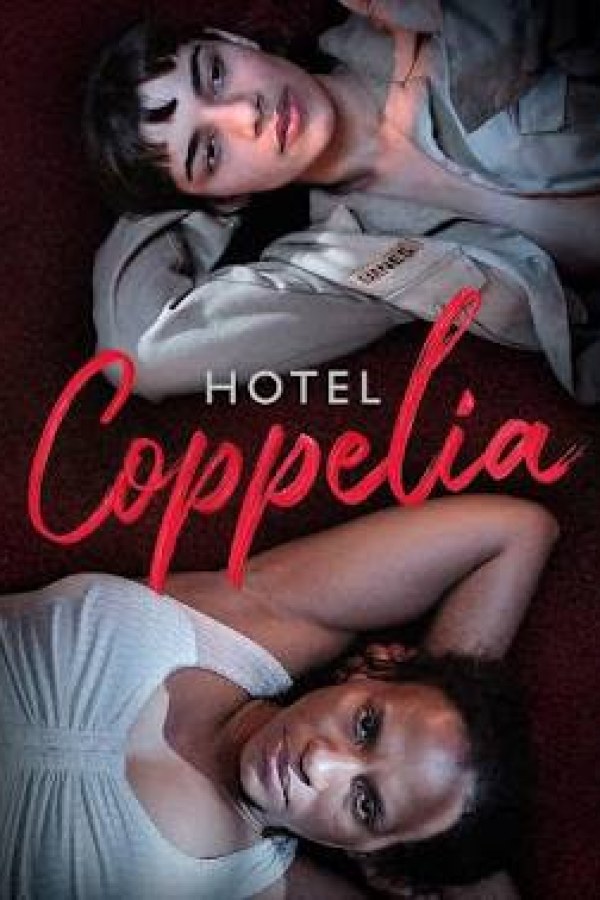
Overview: A Microcosm of Revolution and Survival
Directed by José María Cabral—one of the key figures driving the renaissance of contemporary Dominican cinema—Hotel Coppelia is a searing, visceral historical drama set during the tumultuous spring of 1965 in Santo Domingo. Blending intimate character study with macro-political crisis, the film reconstructs the United States military intervention in the Dominican Civil War through the eyes of sex workers fighting for dignity, agency, and survival.
Rather than framing history strictly through combat zones and political war rooms, Cabral turns a seaside brothel into an allegorical battlefield.
The Narrative Setup
In April 1965, the Dominican Republic is plunged into chaos as constitutionalist rebels rise up to restore democratic order, prompting a massive invasion by US Marines.
Quietly operating on the coastline, Hotel Coppelia is a luxury brothel run with firm pragmatism by Madame Judith (Lumi Lizardo). The women who work there—including Gloria (Nashla Bogaert), a woman dreaming of a life beyond the brothel, and Judith's devoted staff—have built a fragile, self-contained family unit in a society that rejects them.
When revolution erupts on the streets of Santo Domingo, the hotel becomes a safe haven for wounded constitutionalist fighters. As the women are drawn into the ideological struggle, providing shelter, medical aid, and intelligence to the rebels, the invasion of US troops forces them into an agonizing fight for survival when their sanctuary is seized and occupied by foreign soldiers.
The Female Gaze on War: Cabral subverts the traditional war narrative by focusing on women whose labor and bodies are weaponized or subjugated during military conflict. Their political awakening isn't derived from theory, but from the raw necessity to protect one another.
Intimacy vs. Brutality: The film relies on striking visual contrasts—warm, saturated neon hues inside the brothel juxtaposed with the cold, abrasive sunlight and muted fatigues of military violence.
Uncompromising Realism: Cabral does not shy away from the brutality of wartime sexual violence and power imbalance, delivering a film that is deeply empathetic yet unflinching in its portrayal of trauma.
Cinematography & Performance Highlights
Lumi Lizardo & Nashla Bogaert: Both leads deliver powerhouse performances. Lizardo anchors the film with a layered, commanding presence, while Bogaert portrays vulnerability and fierce resilience with remarkable nuance.
Atmospheric Framing: Cinematographer Hernán Herrera captures cramped hallways, bed-sheets, and ocean breezes, creating a sensory environment where the proximity of danger is constantly felt.
The Verdict
Hotel Coppelia is a powerful, haunting, and necessary entry in Latin American historical cinema. By centering the story of 1965's foreign intervention on marginalized women whose sacrifices are so often erased from official history, José María Cabral delivers a motion picture that is both visually striking and emotionally devastating.
Final Rating: 🌟🌟🌟🌟☆ (4/5) – A tense, deeply empathetic historical drama that confronts the violence of foreign occupation with unyielding human dignity.