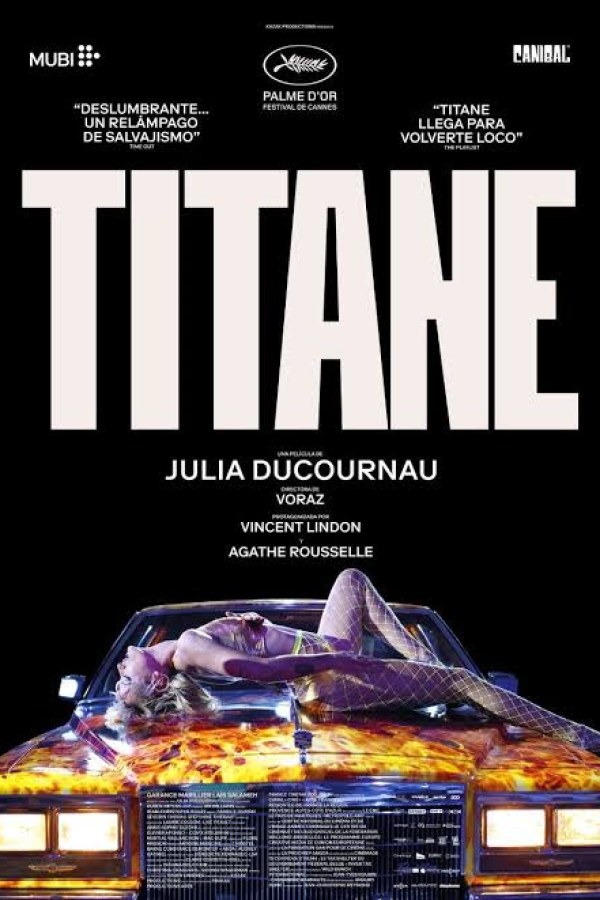
French writer and director Julia Ducournau stands as one of the most provocative, trailblazing, and uncompromising voices in contemporary world cinema. Spearheading the modern wave of French extremisme and body horror art-house, she became only the second female director in history to win the prestigious Palme d'Or at the Cannes Film Festival (following Jane Campion and preceding Justine Triet). Her work masterfully bridges visceral physical horror with profound psychological and philosophical inquiries into human identity.
🎨 Artistic Vision & Cinematic Style
Julia Ducournau’s filmmaking is renowned for its visceral physicality, thematic audacity, and sensory intensity:
Elevated Body Horror: Influenced by masters like David Cronenberg and Georges Franju, Ducournau uses physical mutation, flesh, and bodily fluid not for simple jump scares, but as metaphors for coming-of-age, identity crises, and suppressed desire.
Fluidity of Identity & Gender: Her narratives consistently challenge traditional boundaries of gender, sexuality, and humanity, treating the human body as an evolving, fluid entity rather than a fixed state.
Empathetic Extremism: Beneath extreme violence and shocking visuals lies a surprisingly tender, emotionally resonant core—focusing on unconditional love, family bonds, and the intense longing for acceptance.
Mastery of Color & Sound Design: She pairs striking visual aesthetics (heavy contrasts of neon reds, deep blues, and clinical whites) with soundscapes that emphasize percussive rhythms, metallic echoes, and breathing.
🌟 Legacy & Global Impact
By refusing to compromise on her extreme aesthetic vision, Julia Ducournau has redefined the boundaries of modern festival cinema. She has proven that genre cinema—specifically body horror—can reach the pinnacle of art-house prestige without losing its provocative edge. Her legacy continues to inspire a new generation of filmmakers to explore the complex relationship between physical body, gender expression, and emotional vulnerability.