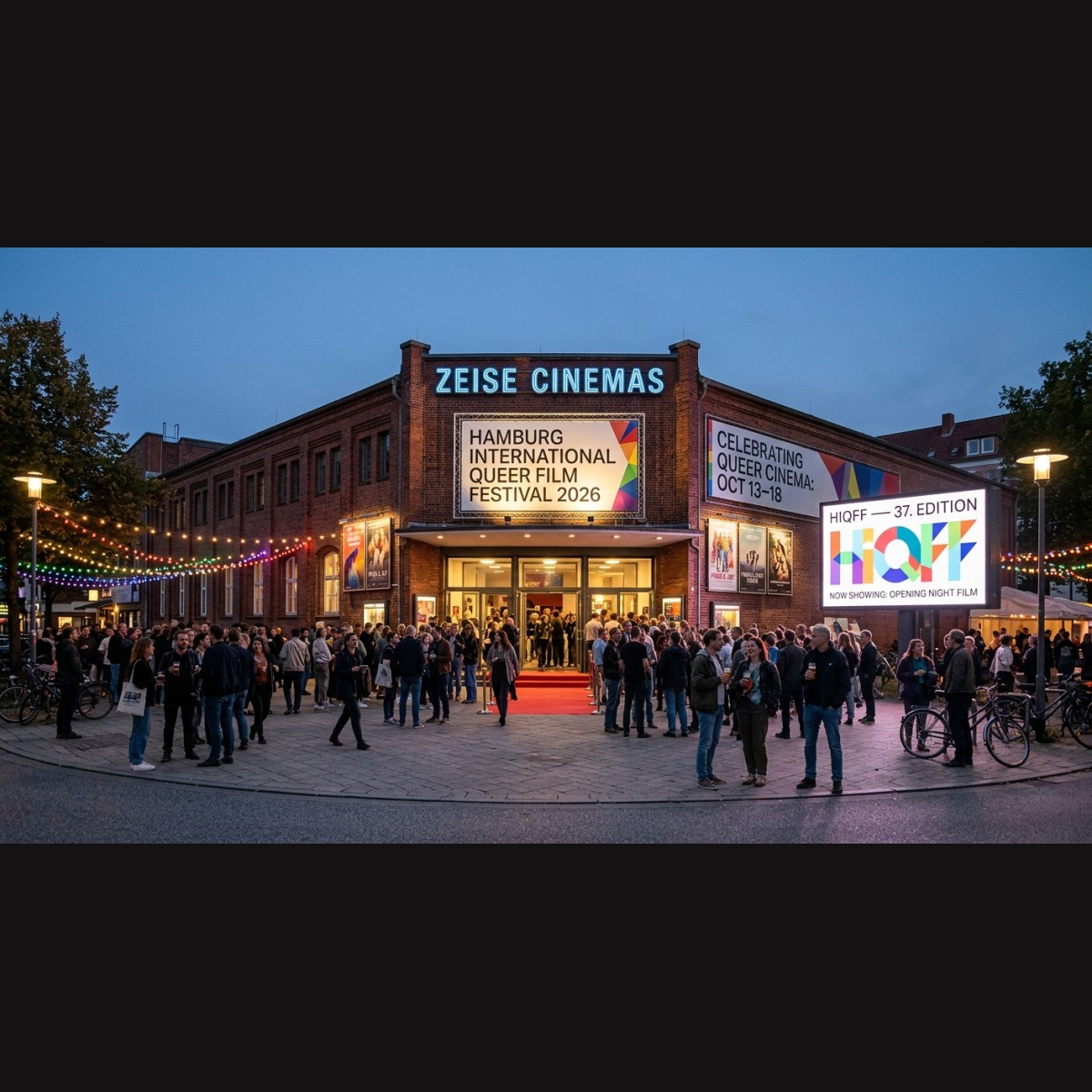
Yet beneath the glamour of red carpets and polished official statements lies a far more complex reality. The contemporary festival circuit increasingly operates as an insular, corporate ecosystem where uncompromising art undergoes a process of softening, sanitization, and conditioning to meet the expectations of industry programmers.
1. The Phenomenon of "Festival-Baiting"Much like the phenomenon of "Oscar-bait" in mainstream Hollywood, art-house cinema has developed its own subgenre of films crafted strictly for the festival palate. Creators and producers, well aware of the preferences of artistic directors and selection committees, calculatedly tailor both form and thematic content.
This gives rise to an aesthetic of "safe subversion"—films that appear daring on the surface, tackling heavy social or identity issues, but do so in a psychologically smooth, predictable manner stripped of genuine formal risk. Instead of raw experimentation or uncomfortable truths, audiences are presented with elegantly directed dramas designed primarily to fit cleanly into festival catalogs and panel discussions.
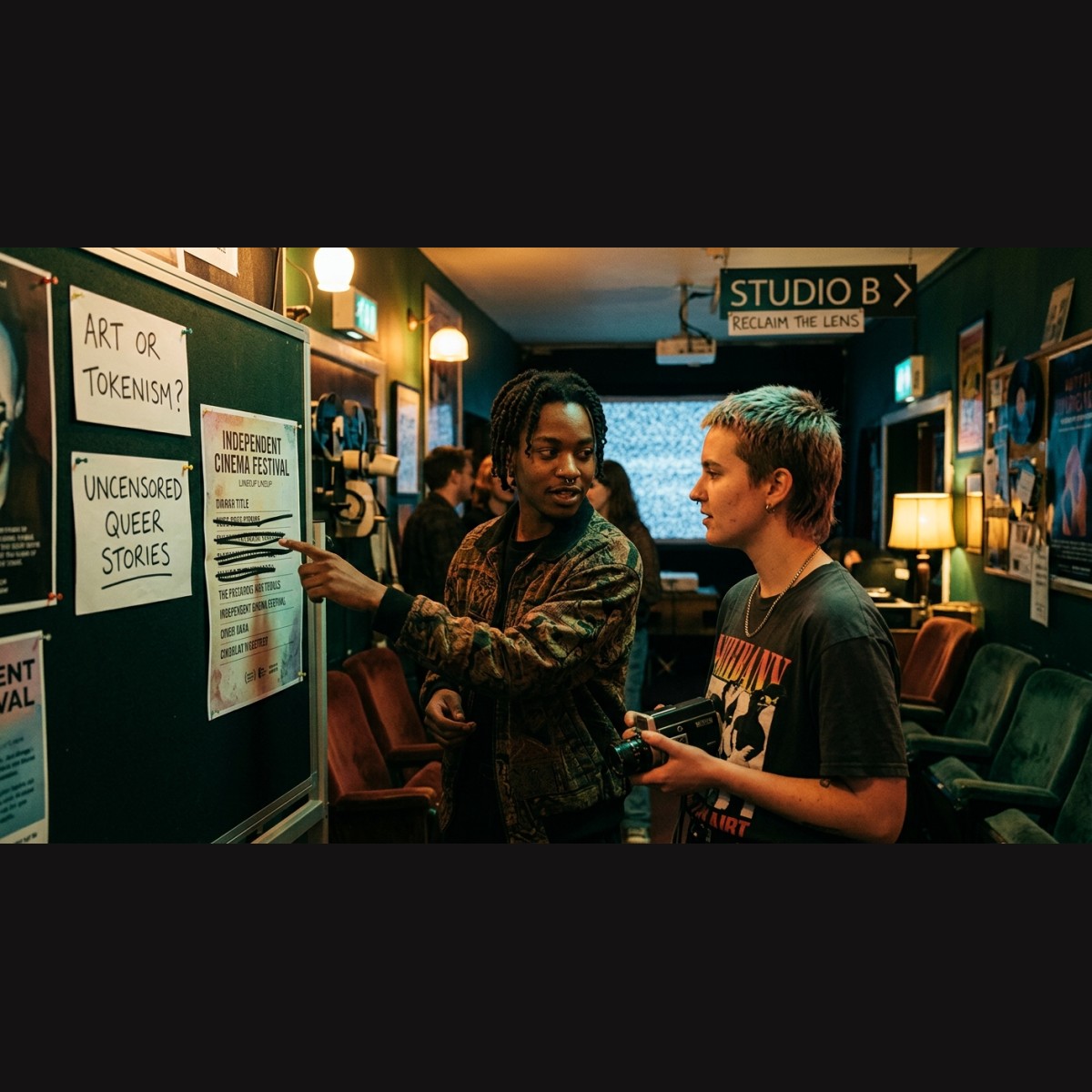
2. Performative Tokenism and Selective CourageA closer look at the programming of major festivals reveals a recurring pattern: the inclusion of a few "mandatory" queer or socially engaged titles in competition sections often serves as an alibi for the entire event.
One-Off Representation: Programming one or two LGBTQ+ titles in a main competition often checks the "diversity box," while local, radical films directed by queer filmmakers using less palatable cinematic languages remain relegated to side sections or are rejected outright.
Geopolitical Double Standards: Festivals eagerly spotlight films criticizing authoritarian regimes or homophobia in the Global South or Eastern Europe, earning praise for their "bravery." However, these same institutions rarely exercise open criticism toward the corporate sponsors, patrons, or governments funding their own events.
3. Economic Gatekeeping: Who Can Afford the Festival Circuit?A film's journey onto the festival circuit is rarely a pure meritocracy; it requires significant financial backing:
Submission Fees: Independent, early-career creators spend hundreds, sometimes thousands of dollars solely on submission fees, with no guarantee that their work will be watched beyond a few minutes by screeners.
The Power of Sales Agents: Films backed by established sales agents and dedicated promotional budgets bypass the open submission slush pile altogether. Consequently, "festival independence" is often reserved for those who can afford professional industry lobbying.
4. Reclaiming Auteur CinemaAt QueerFilmHub, we believe film festivals still hold the potential to play a vital and transformative role—but only if they are subjected to continuous, uncompromising critique. Defending the true autonomy of art requires rejecting the temptation to produce work "for the festival circuit" and actively supporting micro-festivals, grassroots initiatives, and independent platforms that refuse to sanitize raw, challenging, and unpolished cinema.
Festivals
Festival Illusions: Are Film Festivals Truly Serving Independent Cinema?
International film festivals—from Cannes and Berlin to Sundance and Toronto—have spent decades cultivating their reputation as the final bastions of artistic freedom, sanctuaries for auteur cinema, and safe spaces for marginalized voices. In theory, this is where independent directors find their audience, and where queer, unapologetic narratives receive a platform free from the commercial mandates of Hollywood.