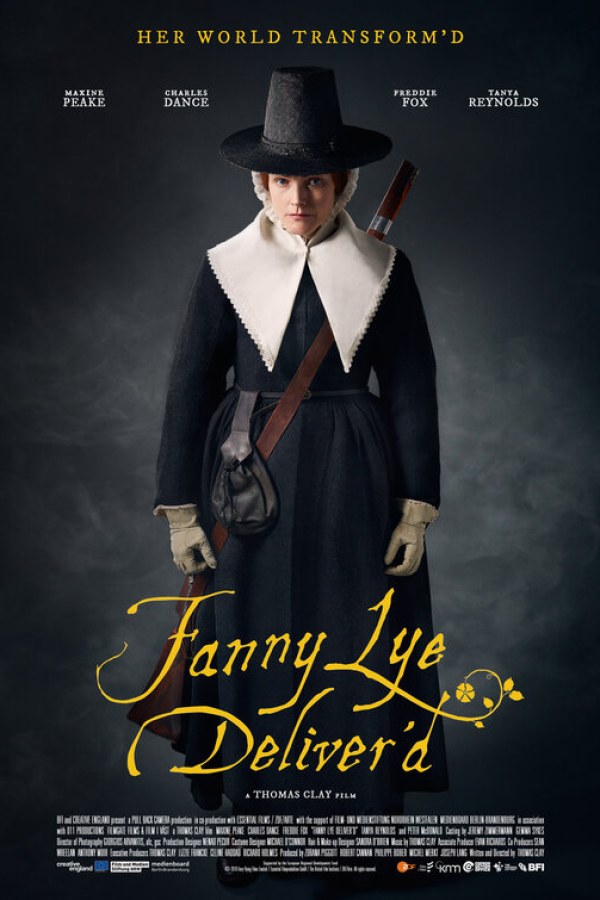
🎬 Fanny Lye Deliver’d
Set in 1657 during the austere aftermath of the English Civil War, Fanny Lye Deliver’d follows Fanny Lye, a dutiful wife living on an isolated Shropshire farm under the iron-fisted, religious rule of her older husband, John. Their rigid, joyless existence is suddenly disrupted by the arrival of a mysterious, free-spirited young couple, Thomas and Rebecca, who seek refuge after their carriage breaks down. As Thomas introduces the household to radical, unorthodox ideas about personal freedom, love, and equality, Fanny experiences a profound psychological awakening. When local authorities arrive searching for the strangers, Fanny is pushed to break free from patriarchal oppression and claim her own independence and desire.
⭐ Film Evaluation & Ratings 📈
🟡 IMDb Rating: 5.8 / 10
🍅 Rotten Tomatoes: 71% (Critics)
🗣️ Critical Consensus: Directed by Thomas Clay, Fanny Lye Deliver’d is a slow-burn, atmospheric historical drama anchored by a magnificent lead performance from Maxine Peake. Blending meticulous period detail with subversive themes of sexual liberation, female autonomy, and religious hypocrisy, the film offers a dark and gripping revisionist folk-history.
💡 Did You Know?
Meticulous Production: Director Thomas Clay spent years developing the project, utilizing authentic 17th-century dialects, clothing techniques, and historical consulting to create an uncommonly realistic portrayal of Puritan-era England.
BFI London Film Festival Premiere: The film had its world premiere at the 63rd BFI London Film Festival, where it was praised for its bold tonal shifts and uncompromising feminist narrative arc.
Recommendations
Similar Titles: The Witch, Apostle, The Reckoning.





Comments
No comments yet. Be the first!
Leave a comment