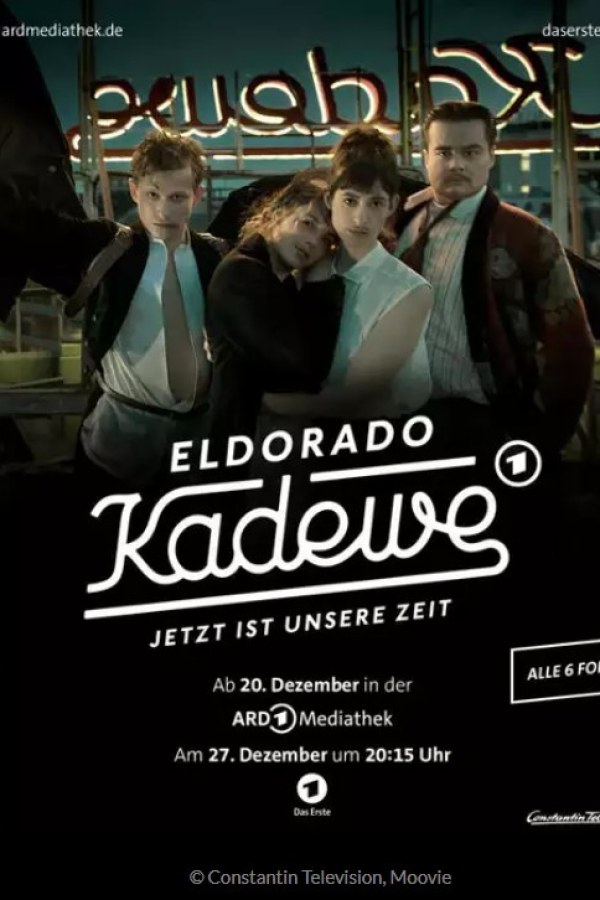
GLAMOUR, GAPS, AND GEOMETRIC OPPOSITES: Why Eldorado KaDeWe is a Bold, Split-Screen Modernist Chronicle
The chaotic, short-lived Weimar Republic remains one of the most thoroughly explored golden eras in German screen history. Following the worldwide footprints of Babylon Berlin, co-writer and director Julia von Heinz’s six-part mini-series Eldorado KaDeWe – Jetzt ist unsere Zeit (Our Time Is Now) approaches the roaring twenties through a highly specific, dazzlingly commercial structural lens
Rather than focusing purely on criminal underworlds, von Heinz mirrors two monumental, opposing epicenters of Berlin culture: the glittering, high-society temple of luxury consumption, the Kaufhaus des Westens (KaDeWe), and the transgressive, neon-drenched queer sanctuary of the iconic Eldorado nightclub. It is a gorgeous, deliberately non-traditional historical epic that bridges period trauma with an aggressive, self-aware contemporary pulse.
The Plot: Four Fates Entangled in the Grand Department Store The core narrative shifts its weight across four distinctly positioned young characters who forge a collective oath to chase individual happiness across shifting social tides:
Fritzi Jandorf (played with a sharp, magnetic vulnerability by Lia von Blarer) is the progressive, rebellious daughter of KaDeWe owner Adolf Jandorf.
As their personal lives weave between high-fashion boardrooms and the inclusive, protective sanctuary of the Eldorado club, the unstoppable, dark political transition of the Nazi party's rise to power slowly closes in around them, transforming their modern oasis into a tight fight for survival.
Aesthetics and Tone: The Modernist Anachronism
What distinguishes Eldorado KaDeWe from standard, strictly manicured historical television is Julia von Heinz’s deliberate, polarizing use of visual anachronisms. The production completely rejects the idea of a sterile museum piece:
The Seamless Time-Slip: The show intentionally leaves modern Berlin artifacts bleed directly into the historical frame. Do not be surprised to see a modern municipal bus or contemporary architectural lines floating in the background of a 1920s street scene. This aesthetic choice forces a constant, intellectual dialogue between the pre-fascist past and our present reality.
Luminous, Fluid Choreography: Shot with a sweeping, fluid visual energy by cinematographer Daniela Knapp, the production utilizes saturated color spaces and high-contrast styling. The dazzling sequences inside the KaDeWe fashion house possess a rhythmic, geometric beauty that contrasts sharply with the intimate, blue-and-magenta haze of the nightclub.
The Musical Core: Backed by an electro-infused, pulsing contemporary score, the series uses music to bridge the generational gap, emphasizing that the characters' raw lust for life, political anxieties, and progressive identities feel completely modern.
The Verdict: A Vibrant, Urgent Historical Tapestry
Eldorado KaDeWe might occasionally frustrate purists looking for strict, historical timeline accuracy or traditional period patina. However, as a character study tracking the fragile architecture of queer visibility, capitalism, and political vulnerability, it is an absolute triumph. Von Heinz delivers a vital, deeply felt coming-of-age ensemble drama that strips away historical distance to remind us how quickly an era of absolute freedom can be compromised.
Rating: 🌟🌟🌟🌟 (4 / 5)